
-
Organic Chia Seeds
Regular price From £3.49 GBPRegular price -
Organic Bronze Flaxseed
Regular price From £1.69 GBPRegular price£1.99 GBPSale price From £1.69 GBPSale -
Organic Hemp Protein Powder - EU Origin
Regular price From £5.36 GBPRegular priceUnit price £4.29/100g -
Cod Liver Oil 1000mg
Regular price From £9.99 GBPRegular priceUnit price £0.08 each -
Organic Black Cumin Seed Oil 100ml
Regular price £19.99 GBPRegular priceUnit price £19.99/100ml

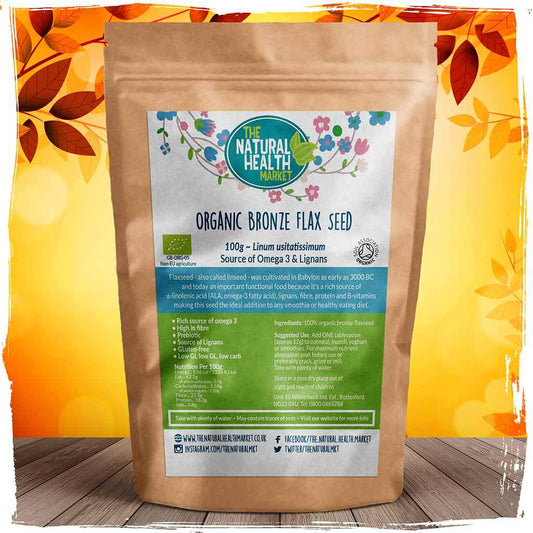


What are essential fatty acids, and why do they matter?
Omega-3, omega-6 and omega-9 are called "essential" because the body can't produce them on its own — they have to come from food or diet. Different sources give you different ratios: oily fish and cod liver oil are rich in EPA and DHA, while flaxseed, chia and hemp provide ALA, the plant-based omega-3. We stock a mix of both so you can choose what fits your diet, whether that's fish-based, plant-based, or a bit of both.
How we source and make them
Our seed-based products are Soil Association certified organic and made in-house at our SALSA-accredited facility in Leicestershire wherever possible. Our Cod Liver Oil is a straightforward, single-purpose capsule with no unnecessary additions. Where a product can be packaged plastic-free, it is — reusable aluminium tins and paper refill pouches, both kerbside recyclable.
Essential fatty acids, honestly
We get asked which oil is "best," and the honest answer is that it depends on your diet and preference, not a single right answer. Fish-derived sources like cod liver oil give you EPA and DHA directly; plant sources like flaxseed and chia require your body to convert ALA into those same forms, which it does inefficiently. Neither is a substitute for a varied diet, and we don't make medicinal claims about any of these products. If you're deciding between sources for a specific health reason, a qualified nutritional therapist or your GP can advise on what's right for you.
Frequently asked questions
What's the difference between flaxseed and chia seeds for omega-3?
Both are good plant sources of ALA omega-3, with chia generally containing a slightly higher concentration per 100g. Flaxseed has a naturally balanced omega-3, 6 and 9 profile; chia is often preferred for its neutral flavour and gel-forming texture when soaked. Neither is "better" outright — it depends on how you plan to use it.
Is cod liver oil a better source of omega-3 than flaxseed?
Cod liver oil provides EPA and DHA directly, the forms your body uses. Flaxseed provides ALA, which your body has to convert into EPA and DHA, and it does so at a low rate. If you don't eat fish, plant sources are still valuable — just a different pathway.
Are your omega oils and EFA products organic?
Our flaxseed and chia are Soil Association certified organic. Cod liver oil isn't certifiable as organic by nature of its source.
Where are these products made?
Our seed-based products are packed in-house at our SALSA-accredited facility in Leicestershire.